A Future Pharmacist’s Prescription for Better Skin

As medication experts and some of the most accessible health-care providers, pharmacists play an important role in helping patients manage both common and complex skin conditions. They provide evidence-based product recommendations, medication counseling, guidance on proper use and support for managing potential side effects.
With so many trending skin-care products promising results, it can be difficult to separate an effective treatment from a temporary trend. As a final-year Doctor of Pharmacy student with a focus on dermatology and cosmetics, I look beyond marketing claims and focus on products supported by clinical evidence.
These are some of my favorite products—ones I use personally and often recommend to anyone beginning their skin-care journey.
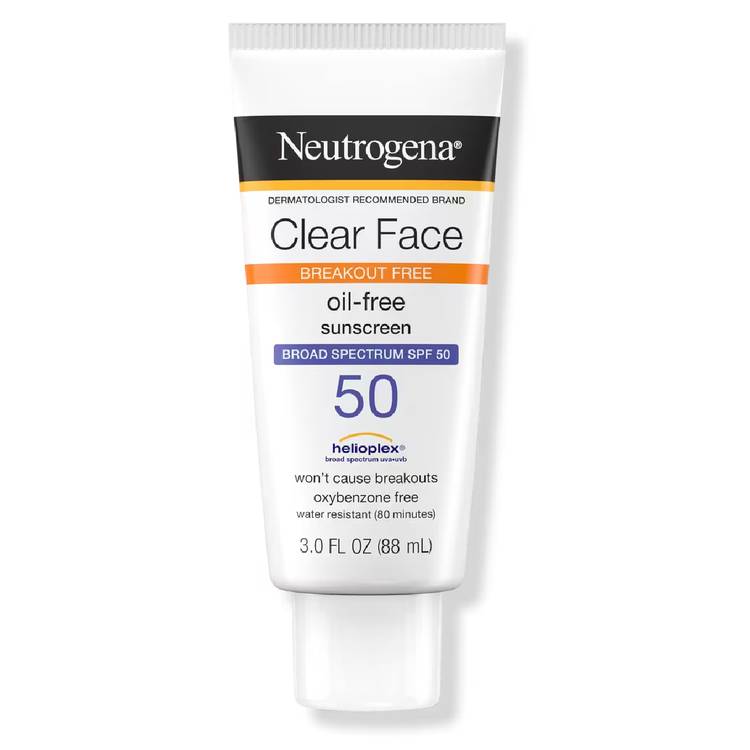
Sunscreen
It is one of the most important products of any daily skin-care routine. It helps protect the skin from ultraviolet radiation, which can cause sunburn, premature aging and skin cancer. The American Academy of Dermatology recommends using a broad-spectrum, water-resistant sunscreen with an SPF of 30 or higher. For effective sun protection, sunscreen should be applied 15 minutes before going outdoors and reapplied every two hours while outside, as well as immediately after swimming or sweating.
Tretinoin
Tretinoin is a prescription topical retinoid approved by the U.S. Food and Drug Administration (FDA) for the treatment of acne vulgaris. Evidence suggests that it decreases the cohesiveness of follicular epithelial cells, reduces the formation of microcomedones, and increases skin cell turnover. In simpler terms, tretinoin helps keep pores clear by preventing dead skin cells from sticking together and clogging pores, while also helping the skin shed them more efficiently. This process helps improve skin texture and create a smoother, even-looking appearance.
Tretinoin is also known for its role in addressing signs of photoaging. By encouraging new collagen formation and supporting healthy cell renewal, it may gradually improve the appearance of fine lines and uneven texture over time. Results require patience and consistency, and dryness, redness, peeling, and irritation are common when tretinoin is first started.
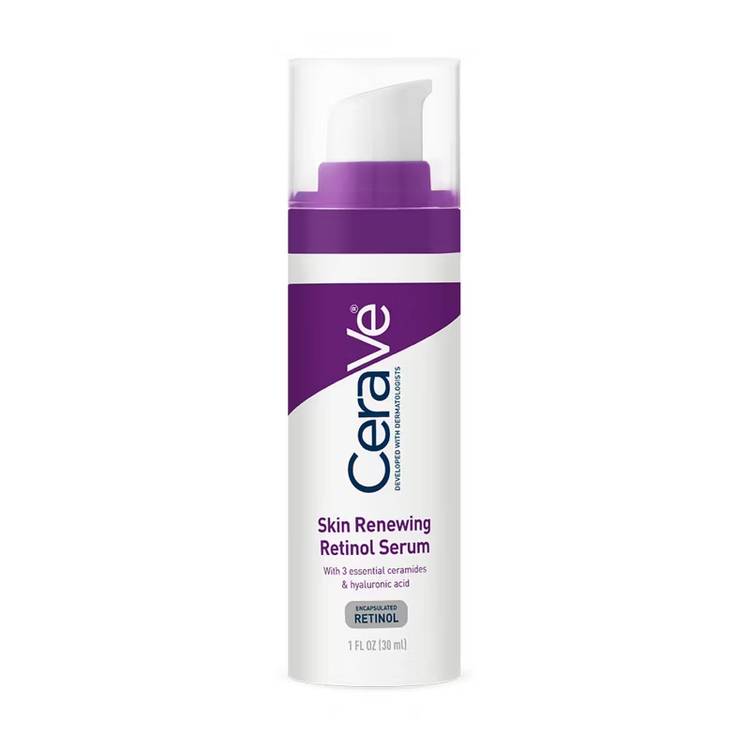
Because tretinoin is available only by prescription, over-the-counter retinoids are an alternative for people seeking similar benefits. However, these options are not identical to tretinoin. Tretinoin, also commonly known as all-trans retinoic acid, is the active form of vitamin A that interacts directly with retinoic-acid receptors in the skin, so it doesn’t need to be converted before it starts working. Retinol and retinaldehyde, by contrast, have to go through several conversion steps in the skin before they become retinoic acid and can bind to those same receptors. Because of these extra steps, they tend to be better tolerated, although results may take longer to appear.
Adapalene
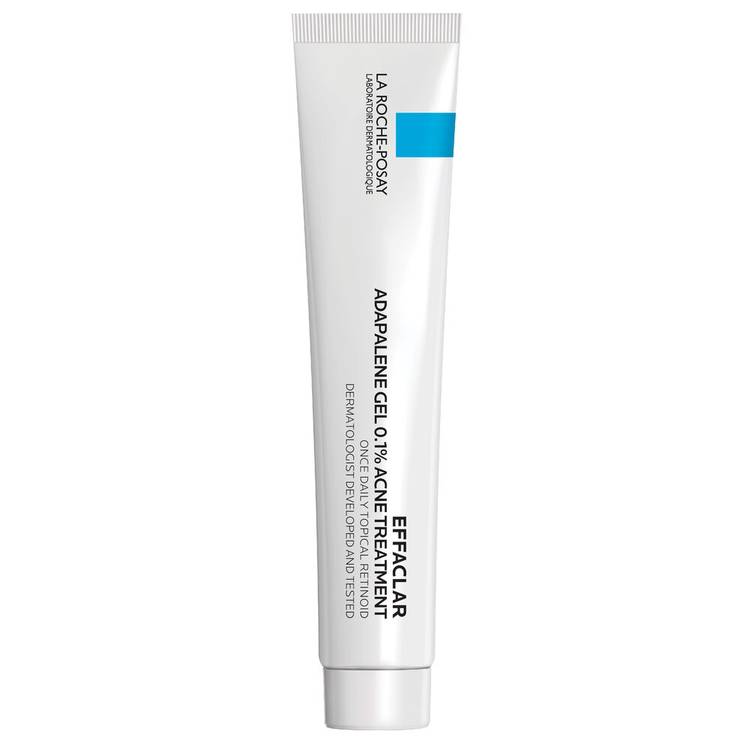
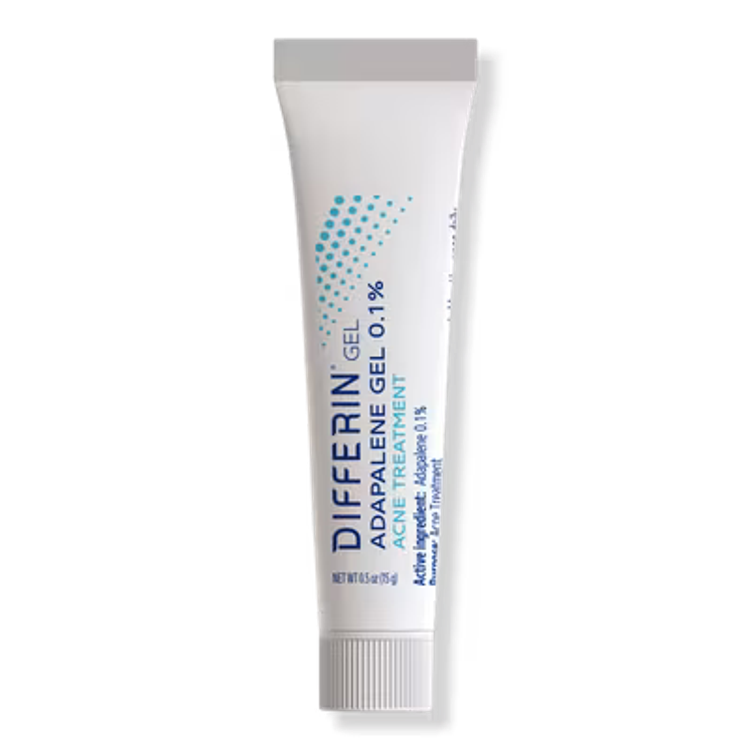
Adapalene is another topical retinoid approved by the U.S. FDA for the treatment of acne vulgaris in patients 12 years of age and older. In the United States, the 0.1% formulation is available over the counter, making it a convenient and affordable option for many, while the higher-strength 0.3% formulation requires a prescription.
Adapalene is often better tolerated than tretinoin, making it a great choice for individuals who are new to topical retinoids. However, it can still cause dryness, redness, burning or peeling, especially during the first few weeks of use. To help reduce these side effects, try the “full sandwich” method: applying moisturizer before and after a topical retinoid to help create a protective barrier while preserving the treatment’s benefits.
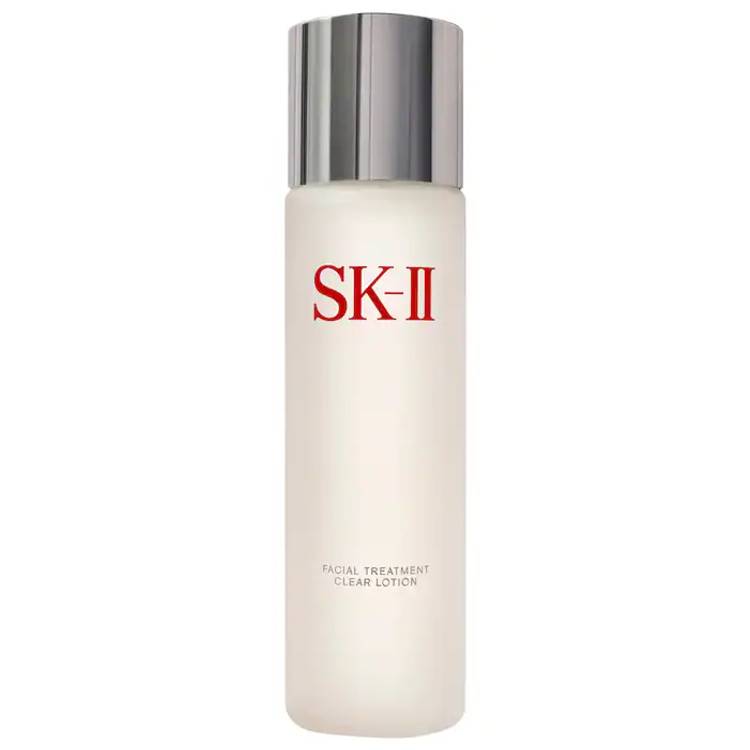
Galactomyces Ferment Filtrate
Galactomyces ferment filtrate is a yeast-derived ingredient, and its use in skin care is often traced back to the observation that sake brewers, whose hands regularly came into contact with the fermentation process, appeared to retain a youthful appearance. Research suggests that it may activate the aryl hydrocarbon receptor and upregulate the expression of filaggrin—a source of natural moisturizing factors—in epidermal keratinocytes. It also exhibits potent antioxidative activity against oxidative stress. In simpler terms, it may help improve moisture retention and protect the skin from environmental stressors, such as UV radiation, air pollution and tobacco smoke.
Shop Sophia Tam’s Picks
2 / 5
3 / 5
4 / 5
5 / 5