Why Are So Many Adults Still Breaking Out?

This spring, creator Alix Earle launched her Reale Actives skin-care line for acne-prone skin, built around mandelic acid and barrier support. The internet asked the obvious question: What role did Accutane play? It’s a fair one. “When influencers don’t disclose that heavy-hitting prescriptions contributed to their results, that is false advertising and a bit manipulative,” says Newton, MA dermatologist Papri Sarkar, MD.
Dermatologists are frustrated, not just with influencers, but with an ecosystem that’s convinced people the right product is all they need. As creators increasingly dispense skin-care advice, physicians are pushing back. “It’s crucial that patients seek advice from a board-certified dermatologist,” says Louisville, KY dermatologist Tami Buss Cassis, MD. “Our years of education, science and training certainly matter and make a difference.”
Here, top dermatologists weigh in on what’s really driving adult breakouts, and how to treat them.
Hormone Check
Adult acne almost always begins with hormones, but just not the way most people assume. “The hormone receptors on our skin can be activated by physical and emotional stressors, which increase cortisol levels,” says New York dermatologist Erin Kil, MD. In other words, stress alone can trigger a breakout. It’s not about hormone levels. It’s about how the skin responds to fluctuation.
That fluctuation hits harder at certain life stages. “The hormone changes women experience in perimenopause and menopause can wreak havoc on the skin,” says Miami Beach, FL dermatologist Melissa Lazarus, MD.
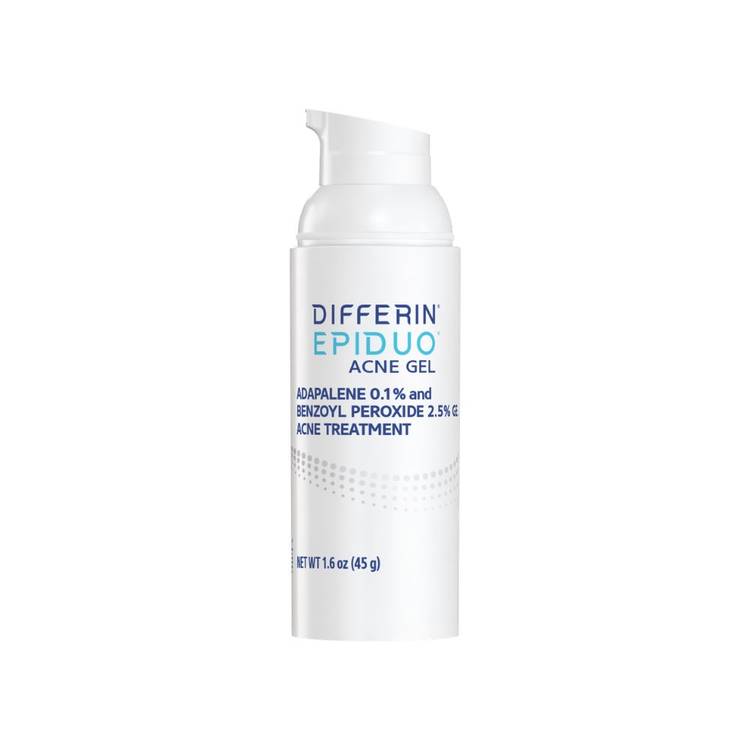
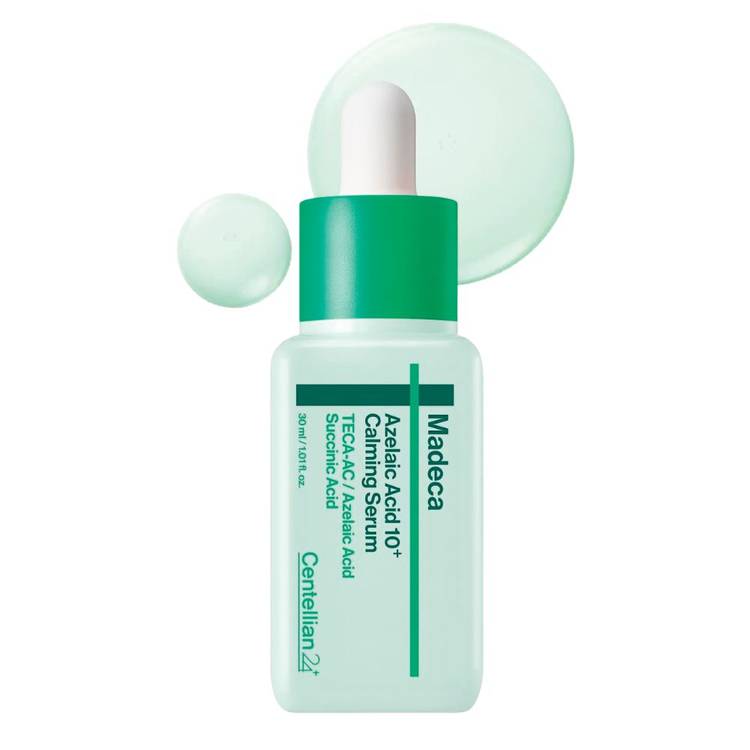
Topicals like benzoyl peroxide, azelaic acid and dapsone gel are a solid first line of defense; oral contraceptives are another option, though coming off them can trigger breakouts, too. “Treatment depends on the type of acne,” says Verona, NJ dermatologist Avnee Shah, MD. “We prescribe a lot of spironolactone and oral antibiotics in combination with prescription topicals. It is not exactly a one-size-fits-all situation.”
Digging Deeper
Hormones are the starting point, but rarely the whole story. What you’re putting in your body and on your skin matters just as much. Certain medications can impact your skin, including birth control, which can treat acne, but also trigger breakouts, hormonal IUDs, lithium, oral steroids and testosterone. “I’ve seen a consistent pattern of hormonal acne in women with hormonal IUDs, likely due to progestin release,” says Dr. Kil.
Diet plays a big role as well: Pure sugars, low-fat dairy and alcohol are all linked to breakouts, and so are supplements like biotin and whey protein. Comedogenic ingredients in moisturizers, sunscreens and hair products can also quietly clog pores.
And before you reach for any product, consider this: What you’re dealing with may not be acne. “I’ve seen rosacea misdiagnosed as acne, and the treatment protocol differs,” says Ashburn, VA dermatologist Stephanie Daniel, MD. “Folliculitis of various forms can also masquerade as acne.” All of these are reasons to see a dermatologist.
Script Strength
If over-the-counter products haven’t moved the needle after 8 to 12 weeks, experts will typically start with a combination approach: a topical retinoid, such as tretinoin to unclog pores and speed cell turnover, paired with an antibiotic such as doxycycline or minocycline to bring down inflammation. Results take time, and an initial purge is normal. Staying the course matters.
For hormonal acne, spironolactone is often the next step. It works by blocking the androgen receptors that drive oil production, but patience is key: Many patients don’t see results for three to six months, and dosage often needs adjusting, says Dr. Shah.
For moderate to severe cases, isotretinoin, an oral retinoid formerly known by the brand name Accutane, is in a category of its own. “It is one of the only medications that keeps acne away even after you stop taking it,” says Huntington Beach, CA dermatologist David Rayhan, MD.
Microdosing isotretinoin is also an option (taking a lower dose over a longer period) and is increasingly accepted as a legitimate course of treatment for the right candidate. For patients with acne scarring, Dr. Sarkar calls it a game changer: “Isotretinoin literally restructures the skin and can reverse early acne scarring. There is no other equivalent.”
Device Driven
Devices are changing what’s possible for both active acne and the effects it leaves behind. For patients who have cycled through topicals and oral medications without success, in-office treatments are increasingly where the real results are happening. “The biggest innovation over the past year is the ability to treat acne at the source without relying solely on antibiotics, retinoids or hormonal therapy,” says Miami dermatologist Annie Gonzalez, MD. Her go-to for inflammatory acne is AviClear, a breakthrough laser that targets oil glands directly and works across all skin types. “For the right patient, it can be a great starting point.”
For scarring, managing expectations is a big part of the conversation. “We can improve, but not erase,” says Fresno, CA dermatologist Kathleen Behr, MD. Options include the Fraxel 1550nm laser, typically performed in a series; the UltraClear 2,910nm cold fiber laser for a wider range of skin tones; and the CO2 laser, which is the most aggressive option and usually reserved for lighter skin to avoid post-inflammatory hyperpigmentation.
Adult acne is treatable, very treatable. But, the path to clear skin runs through a dermatologist, not just a product launch. Additionally, “the only acne products that work,” says Dr. Sarkar, “are the ones patients actually use.”
Spot Heroes
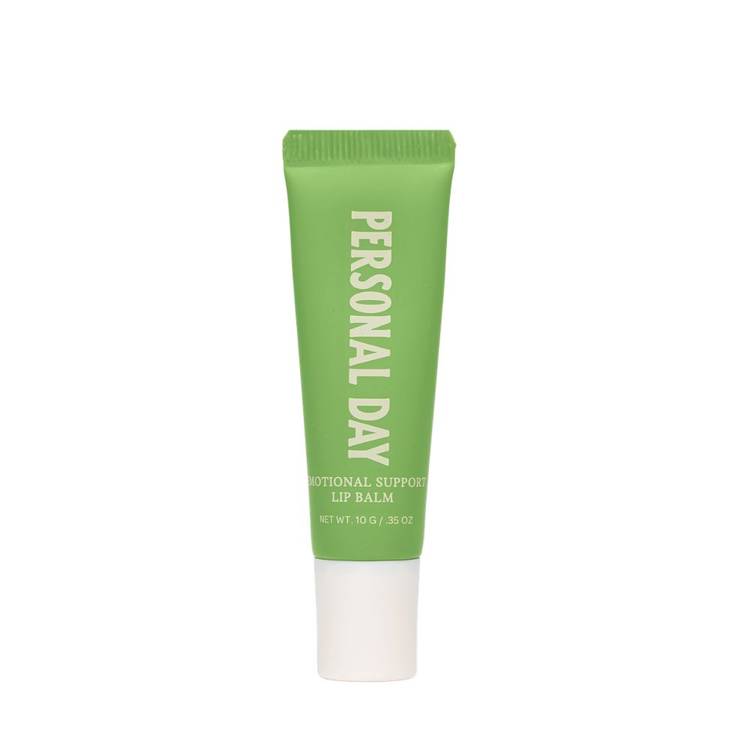
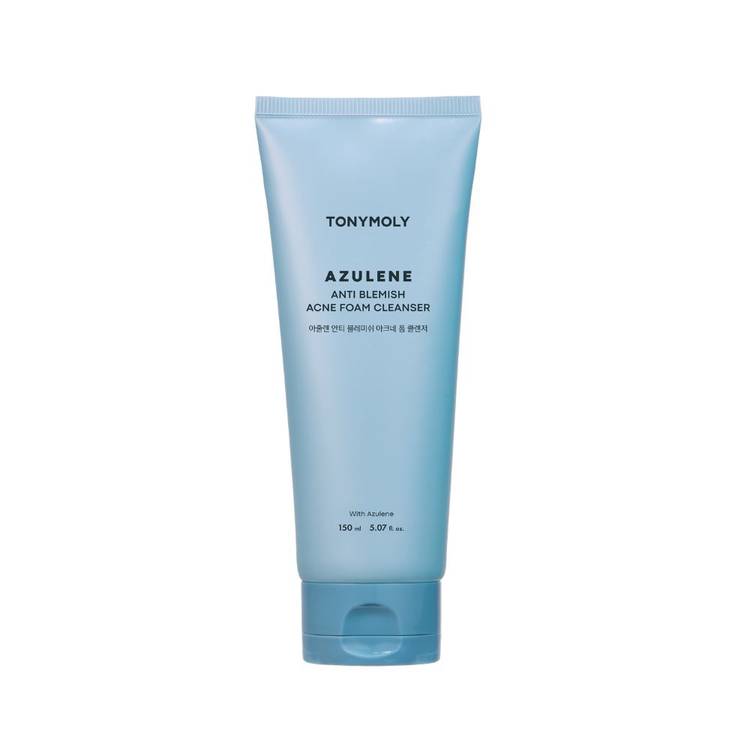
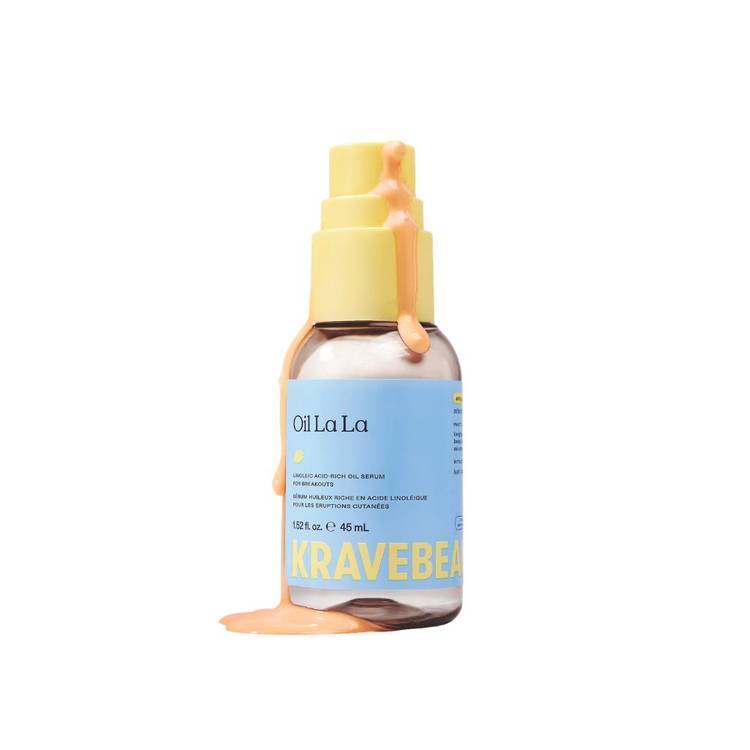
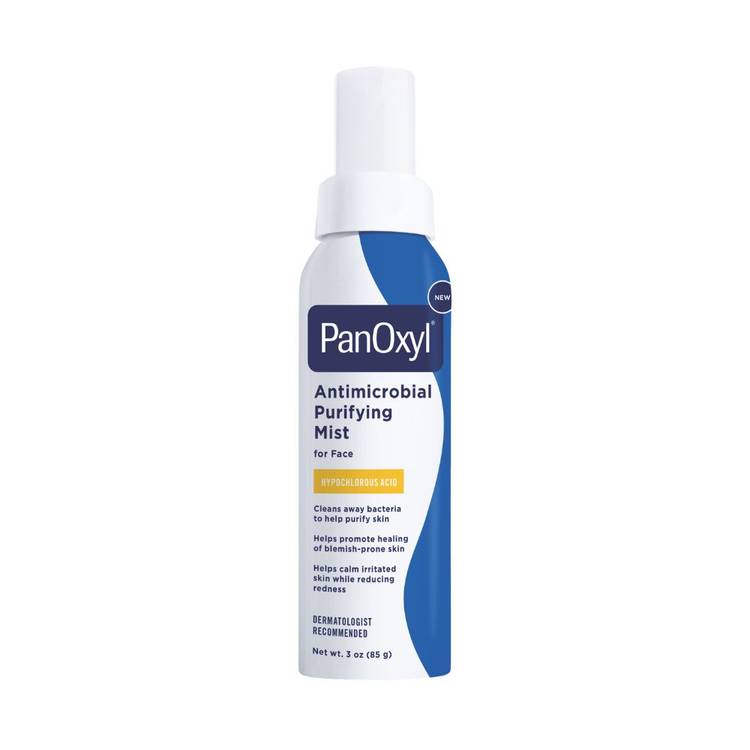
Over-the-counter options are getting smarter and more skin-barrier conscious. These are the ones worth reaching for when breakouts hit.
2 / 6
3 / 6
4 / 6
5 / 6
6 / 6